Understanding Gun Accessories : Legal Awareness, Types, and Responsible Ownership
Interest in gun accessories continues to grow as more people seek to understand how different components enhance functionality, safety, and usability. Whether driven by curiosity, research, or general knowledge, it’s important to approach this topic with clear, accurate, and responsible information.
This guide provides an educational overview of gun accessories, including what they are, common types, and the legal considerations surrounding them.
What Are Gun Accessories?
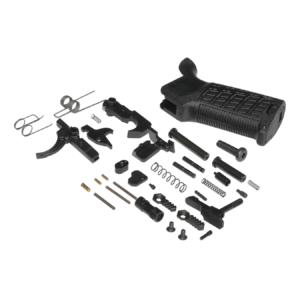
Gun accessories are additional components or attachments designed to complement a firearm’s functionality, handling, or maintenance. Unlike core mechanical parts, accessories typically enhance performance, usability, or safety rather than forming the essential structure of the firearm itself.
These accessories can vary widely in purpose and design, depending on user needs and legal allowances.
Common Types of Gun Accessories
There are several categories of commonly discussed accessories, including:
1. Optics and Sights
Optical accessories such as scopes and red dot sights are designed to improve aiming accuracy and target acquisition.
2. Grips and Ergonomic Enhancements
These improve comfort and control, making handling more stable and consistent.
3. Holsters and Storage Solutions
Holsters, cases, and safes are used for secure carrying and storage, which is a critical aspect of responsible ownership.
4. Maintenance Tools
Cleaning kits and maintenance tools help ensure that equipment remains in proper working condition.
5. Lighting and Visibility Tools
Flashlights or mounted lights are used to improve visibility in low-light conditions.
Each category serves a specific purpose, and understanding how they function is key to informed awareness.
Why Are People Searching About Gun Accessories?
Search interest in gun accessories is driven by several factors:
General curiosity and education
Interest in safety and proper handling
Understanding how accessories improve usability
Awareness of legal restrictions and requirements
As with any regulated topic, the goal should always be informed understanding rather than assumptions.